The Essentials of Tree and Shrub Planting for a Thriving Landscape
Getting tree and shrub planting right is one of the most rewarding parts of building a landscape. I have seen too many yards where a beautiful tree was planted with care, only to struggle a few years later because of a simple mistake at the start. Whether you are adding a single specimen tree or a row of flowering shrubs, the decisions you make during planting will echo for decades. Good planting technique is not complicated, but it does require attention to detail and an understanding of what the plant actually needs underground.
I remember helping a neighbor dig a hole for a maple tree they brought home from the garden center. They had dug a deep, narrow hole and backfilled with potting soil mixed with sand. The tree looked fine for two seasons, then started to lean and lose leaves. When we dug it out, the roots had never spread beyond the original hole; they were circling inside that soft, rich mix like a pot. That experience taught me that the way you prepare the planting area often matters more than the tree itself. Tree and shrub planting is not just about plopping a root ball in the ground and watering it; it is about setting the stage for a healthy root system that can anchor the plant and find its own water and nutrients.
Choosing the Right Plant for the Right Spot
Before you even pick up a shovel, matching the plant to the site is critical. Many people fall in love with a tree at the nursery and then try to make it fit their yard. I have seen a weeping willow planted three feet from a house foundation, and a sun-loving juniper tucked into deep shade under a deck. Both plants looked miserable within a year. Take time to assess your soil type, sunlight hours, drainage patterns, and overhead clearance. Clay soil holds moisture and can suffocate roots of trees that need sharp drainage. Sandy soil drains fast and may require more frequent watering during establishment. A tree that wants full sun will not thrive in a spot that gets only morning light. Getting this match right saves you years of frustration.
Digging the Hole: Depth and Width Matter
The most common error in tree and shrub planting is digging a hole that is too deep. The root flare - the spot where the trunk widens just above the roots - should sit at or slightly above the surrounding soil level. If you bury the root flare, the bark can rot, and the tree may develop girdling roots that eventually strangle it. A shallow, wide hole is much better than a deep, narrow one. Aim for a hole that is two to three times the width of the root ball, but no deeper than the height of the root ball. For shrubs, the same principle holds: a wide saucer-shaped hole encourages roots to spread outward into the native soil.
When you set the plant in the hole, check the depth by laying a shovel handle across the hole. The top of the root ball should be level with or slightly above the handle. Adjust the soil under the root ball if needed; do not add extra soil on top of the root ball to raise it. Backfill with the same soil you removed from the hole. I know it is tempting to mix in compost or peat moss, but research and field experience show that trees establish better when they have to grow into the native soil from the start. If you create a pocket of rich amended soil, the roots may stay inside that pocket and never venture into the surrounding clay or sand, leading to a tree that is dependent on supplemental watering for life.

Watering and Mulching: The First Year
Watering is the most critical task during the first two growing seasons. A new tree has a small root system that cannot reach deep moisture. You need to keep the root ball and the soil around it consistently moist, but not waterlogged. I recommend watering deeply once or twice a week during dry spells, rather than light daily sprinkling that only wets the surface. A slow trickle from a hose left at the root zone for 30 minutes does more good than a quick overhead spray.
Mulch is your best friend for new plantings. A two to four inch layer of shredded bark or wood chips spread in a donut shape around the base helps retain moisture, moderates soil temperature, and suppresses weeds. But keep the mulch away from the trunk. I have seen too many trees killed by mulch volcanoes, where bark mulch is piled high against the trunk, trapping moisture and inviting pests and disease. Leave a few inches of bare soil around the trunk so the bark can breathe.
Staking and Aftercare
Not every tree needs to be staked. In fact, trees that are allowed to sway slightly in the wind develop stronger trunks and root systems. Staking should only be used for trees with a large canopy relative to their root ball, or in very windy sites. If you do stake, use two stakes placed outside the root ball, and attach the tree with flexible ties that allow some movement. Remove the stakes after one year or as soon as the tree is stable.
For shrubs, staking is rarely needed unless you are planting a top-heavy specimen. Focus on consistent watering and watch for signs of stress like wilting leaves or leaf drop. A slow-release fertilizer can be applied after the first growing season, but do not fertilize at planting time; you want roots to grow outward in search of nutrients, not be pampered with a quick fix in the hole.

Common Pitfalls in New Plantings
- Planting too deep. Always check the root flare is visible after backfilling.
- Overwatering or underwatering. Stick your finger into the soil near the root ball; if it is wet an inch down, wait before watering again.
- Choosing a tree that outgrows the space. A silver maple may look small in a pot, but it will tower over your house in 15 years.
- Ignoring underground utilities. Call your local utility locator service before digging any deep holes.
- Forgetting to remove burlap, wire baskets, or plastic pots. If the roots cannot escape, the plant will fail.
Each of these mistakes is easy to avoid with a little planning. I have dug up trees that were planted with wire baskets still intact, and the roots had grown through the wire but were being strangled as the tree got bigger. It is a sad sight. Taking the extra few minutes to remove all non-biodegradable materials from the root ball pays off for the life of the plant.
Seasonal Timing and Long-Term Success
In the GTA, the best times for tree and shrub planting are spring and early fall. Spring planting gives roots a full growing season to establish before winter. Fall planting is also good, but aim to get plants in the ground at least four to six weeks before the ground freezes, so roots can grow a bit before going dormant. Summer planting is riskier because of heat and drought stress, but it can succeed with diligent watering.
Once a tree or shrub is established, usually after two to three years, it will require much less hands-on care. Deep, infrequent watering during dry periods, annual mulching, and occasional pruning to remove dead or crossing branches are enough to keep most specimens healthy. The effort you put into the initial planting determines how much maintenance you will need later. A tree that was planted correctly will need little more than an admiring glance for decades.
I have planted hundreds of trees and shrubs over the years, and each one teaches me something. The most important lesson is that patience and attention to detail at the start are never wasted. Tree and shrub planting is an investment in the future of your property. When you see a well-placed tree providing shade, privacy, or beauty twenty years after you put it in the ground, you will be glad you took the time to do it right.
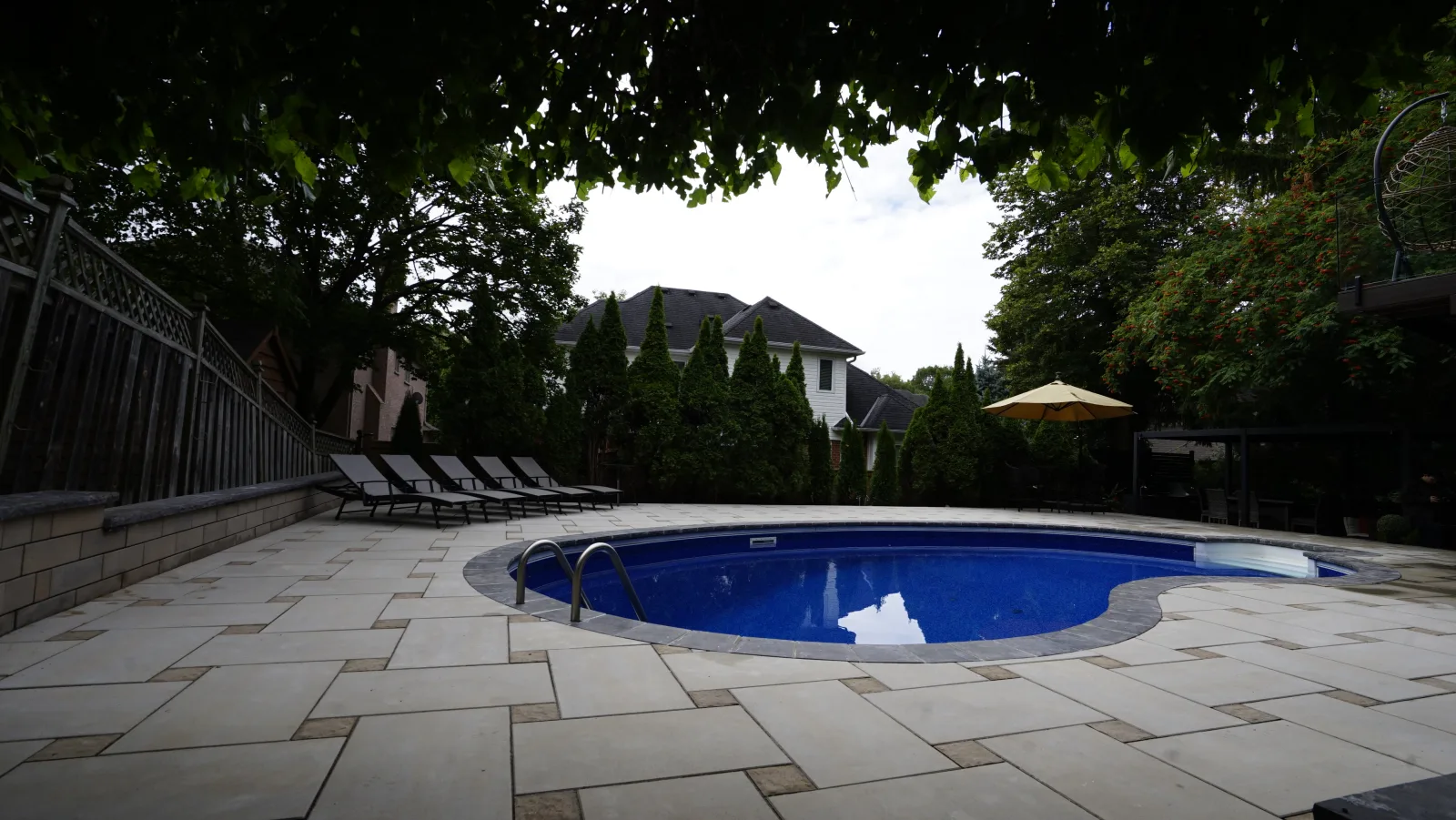
If you are planning a landscaping project and need help with tree and shrub planting or other outdoor work, remember that professional guidance can make a big difference. For expert assistance in the Markham area, you can reach Jayden's Landscaping Markham at 5357 19th Ave, Markham, ON L3P 3J3, Canada, phone +1 647-621-4219, a family-run company serving the GTA since 2014 with a focus on quality landscaping and seasonal services.
Connect with us on Instagram.